
Keeping your car in great shape doesn’t have to be a confusing mystery. Just like your body needs water to stay healthy, your car engine needs high-quality oil to keep moving without breaking. One brand that experts always talk about is comma oil. It is famous for being reliable and making sure your engine stays cool and clean. Whether you are driving to school or going on a long road trip, using the right fluid makes a massive difference in how your car feels. If you want your vehicle to last a long time, you need to understand why comma oil is such a popular pick for drivers everywhere.
In this guide, we will explore everything you need to know about this special lubricant. We will look at why it is different from cheap brands and how it saves you money on repairs. Many people think all oils are the same, but that is simply not true. High-quality comma oil is designed with special ingredients that stop metal parts from rubbing together and causing damage. By the end of this article, you will feel like a pro when it comes to taking care of your engine.
Table of Contents
What Exactly is Comma Oil?
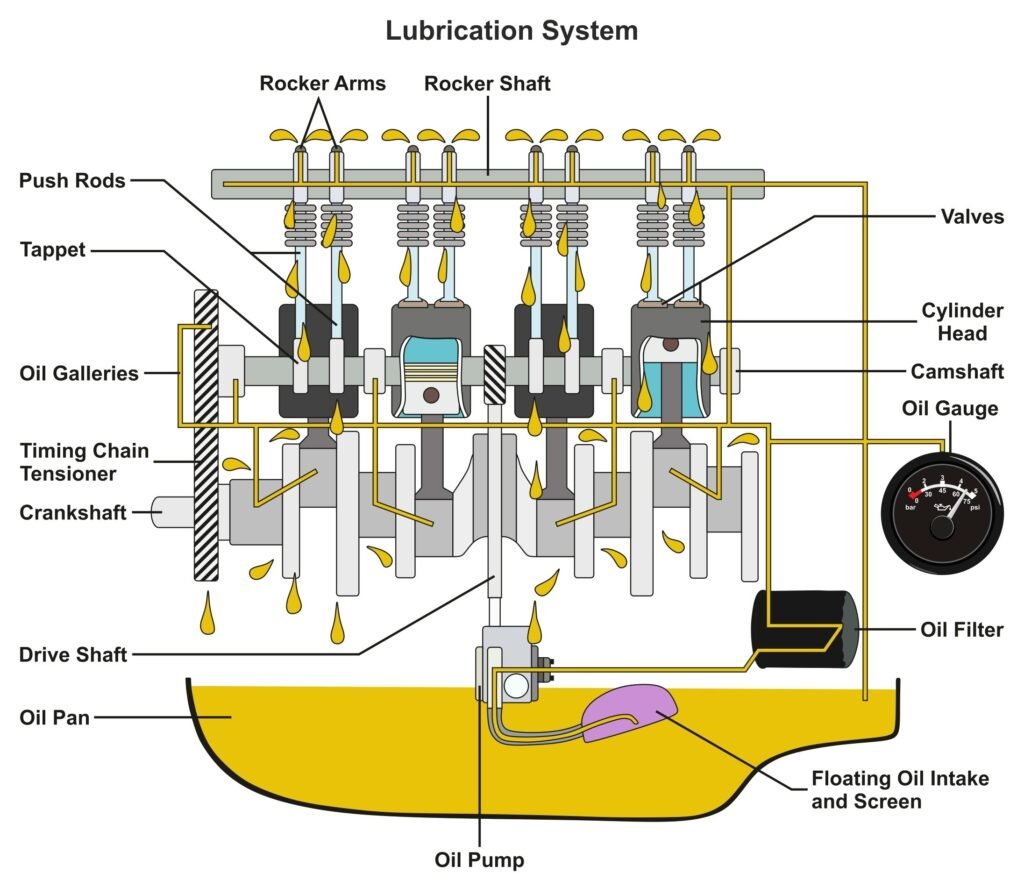
Think of comma oil as a protective shield for your engine’s internal parts. When an engine runs, thousands of small explosions happen every minute, creating a lot of heat and friction. Without comma oil, these parts would get too hot and literally melt together. This brand focuses on creating “application-specific” oils, which means they make a perfect match for almost every type of car on the road today. They don’t just make a “one size fits all” product; they tailor it to what your specific car manufacturer asks for.
Shutterstock
Explore
The Secret Benefits of Using High-Quality Lubricants
Using comma oil provides more than just lubrication; it actually cleans your engine while you drive. Over time, tiny bits of dirt and carbon can build up inside your motor. Good comma oil contains detergents that “grab” this dirt and keep it from sticking to important parts. This prevents “sludge,” which is a thick, nasty goo that can choke an engine to death. When your engine is clean, it doesn’t have to work as hard, which means you get better gas mileage and a much smoother ride.

Understanding Oil Grades and Why They Matter
You might see numbers like 5W-30 or 0W-20 on a bottle of comma oil. These numbers tell you how thick the oil is. The “W” stands for winter, showing how well the oil flows when the engine is cold. If your oil is too thick, it won’t move fast enough to protect the engine when you first start it. If it is too thin, it won’t protect it when it gets hot. Comma oil offers a huge variety of these grades so that you can find the exact thickness your car needs to stay safe in any weather.
How Comma Oil Improves Your Fuel Economy
Did you know that the right comma oil can actually save you money at the gas station? When an engine has less friction, it uses less energy to move the pistons up and down. Because comma oil is so slippery and high-quality, it reduces that “drag” inside the motor. This means every drop of fuel takes you just a little bit further. Over a whole year of driving, these small savings add up to a lot of extra cash in your pocket, making the oil pay for itself.
Protecting Your Engine During Cold Starts
The most dangerous time for your car is the first few seconds after you turn the key. Most of the comma oil has settled at the bottom of the engine overnight. However, high-grade comma oil is designed to leave a thin, sticky film on the metal parts even when the car is off. This ensures that the moment you start the engine, there is already protection there. This prevents the “grinding” sound and wear that usually happens during those chilly mornings before the oil starts circulating.
Is Synthetic Comma Oil Better Than Mineral Oil?
Most modern cars require synthetic comma oil because it is man-made in a lab to be perfect. Mineral oil comes straight from the ground and has some natural impurities. Synthetic comma oil lasts much longer and doesn’t break down as fast under high heat. While it might cost a little bit more upfront, you don’t have to change it as often. This makes synthetic options a smarter choice for anyone who wants the best possible protection for a newer car or a high-performance vehicle.
Common Signs You Need an Oil Change
You shouldn’t wait until your car breaks down to check your comma oil. There are a few easy signs to look for. If your engine sounds louder than usual, or if you hear a “clapping” noise, your oil might be too thin or dirty. Another sign is if the oil on the dipstick looks black and gritty instead of a clear honey color. Using fresh comma oil regularly ensures these problems never turn into expensive repair bills at the mechanic’s shop.

Why Mechanics Trust This Brand
If you walk into a professional garage, you will often see bottles of comma oil on the shelves. Mechanics trust it because the brand has a “Manufacturer Approval” guarantee. This means the people who built your car have tested and approved this specific comma oil for use in their engines. It gives drivers peace of mind knowing they aren’t just using a random product, but something that meets the highest engineering standards in the world.
Environmental Impact of Modern Lubricants
Modern comma oil is also getting “greener” and better for the planet. New formulas are designed to work with exhaust filters to reduce the smoke and chemicals coming out of your tailpipe. By using a high-quality comma oil, you are helping your car burn fuel more cleanly. This reduces your carbon footprint and helps your car pass emissions tests more easily. It is a win-win situation for both your car’s health and the environment around us.
How to Choose the Right Comma Oil for Your Car
Choosing the right bottle can feel overwhelming with so many options. The easiest way is to use a “VRN lookup” tool where you type in your license plate. This tells you exactly which comma oil is meant for your engine. You can also check your car’s manual in the glovebox. It will list a specific code. Matching that code to the label on the comma oil bottle ensures you are giving your car exactly what it was designed to run on.
Detailed Comparison Table: Comma Oil Types
| Feature | Standard Mineral Oil | Semi-Synthetic | Fully Synthetic Comma Oil |
| Protection Level | Basic | Good | Excellent |
| Temperature Range | Low | Medium | Very High |
| Oil Change Interval | Every 3,000 miles | Every 5,000 miles | Up to 10,000+ miles |
| Engine Cleanliness | Low | Moderate | Maximum |
| Best For | Very Old Cars | Modern Daily Drivers | High Performance / New Cars |
FAQs
1. How often should I change my comma oil?
It depends on your car, but usually every 5,000 to 10,000 miles. Always check your car’s manual for the best advice.
2. Can I mix different brands with comma oil?
It is best to stay with one brand. Mixing can sometimes weaken the special additives that make comma oil work so well.
3. Does comma oil expire in the bottle?
Unopened bottles can last about 5 years if stored in a cool, dry place. Once opened, it’s best to use it within a year.
4. Why is my oil turning black?
This is actually a good sign! It means your comma oil is doing its job by cleaning dirt and soot out of your engine parts.
5. Is comma oil good for diesel engines?
Yes! They make specific formulas designed just for diesel engines and their special exhaust filters.
6. Will using this oil void my car’s warranty?
No. Because comma oil meets manufacturer standards, your warranty stays safe and valid.
Conclusion
Taking care of your car doesn’t have to be a chore. By choosing comma oil, you are making a smart investment in your vehicle’s future. It keeps your engine clean, helps you save money on fuel, and prevents costly breakdowns. Remember, the oil is the “lifeblood” of your car. Using a premium product like comma oil ensures that your “lifeblood” is pure, strong, and ready for the road ahead. Don’t settle for cheap alternatives when your car’s health is on the line!