Delta Flight DL275 Diverted LAX after what appeared to be a critical mid-air issue on its journey from Tokyo Haneda to Detroit. The unexpected event turned a routine long-haul trip into a closely watched aviation story across the United States. Tracking platforms such as FlightAware and Flightradar24 lit up with curiosity as aviation enthusiasts followed the aircraft’s sudden reroute.
The incident reminded passengers and the public of the intricate safety systems that govern modern aviation. Delta Flight DL275 Diverted LAX became a trending topic online as users discussed how swiftly the airline and crew handled the situation. It showcased the importance of experienced pilots, rigorous maintenance, and quick decision-making in protecting everyone onboard.
Understanding the Delta Flight DL275 Route and Operations
Delta Flight DL275 Diverted LAX was originally scheduled to connect Tokyo Haneda Airport and Detroit Metropolitan Wayne County Airport. This route is a crucial part of Delta’s transpacific network, connecting Asia and North America with the Airbus A350-900 — a flagship aircraft equipped with Rolls-Royce Trent XWB engines.
For long-haul flights crossing the Pacific, diversion options are carefully calculated. Los Angeles International Airport (LAX) is a major Delta hub with extensive maintenance support and emergency facilities. When Delta Flight DL275 Diverted LAX, experts noted it was a smart decision because the airport offers both technical resources and passenger services for unplanned landings.
Timeline of Events: How Delta Flight DL275 Diverted to LAX
According to flight data, Delta Flight DL275 departed Tokyo Haneda on schedule and reached cruising altitude without issue. Several hours into the journey, while flying over the Pacific, the crew detected an anomaly in one of the aircraft’s engines. Although not immediately catastrophic, it required caution. Following strict safety protocol, the pilots decided to divert to LAX instead of continuing to Detroit.
As Delta Flight DL275 Diverted LAX, controllers and Delta’s operations center coordinated the diversion. Passengers reported that the crew remained calm and professional, providing timely updates. The Airbus A350 landed safely at Los Angeles International Airport, where maintenance teams met the flight for immediate inspection. No injuries were reported, and all passengers were safely accommodated after landing.
Cause of the Diversion: Engine Failure and Safety Protocols
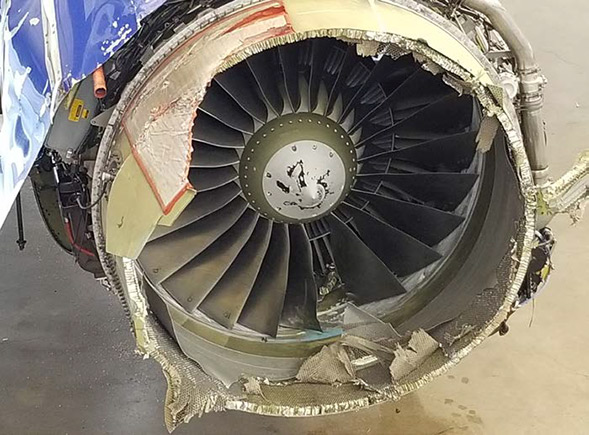
Early reports suggest that Delta Flight DL275 Diverted LAX due to an engine malfunction related to the Rolls-Royce Trent XWB anti-ice system. This system prevents ice formation within the engine during high-altitude flight, and any irregular readings can trigger a precautionary shutdown. In this case, the crew’s decision to divert was purely preventive, ensuring the safety of everyone aboard.
Modern aircraft like the Airbus A350 are built with redundant systems, meaning a single-engine issue does not pose an immediate threat. Delta’s pilots followed a textbook response by securing the affected engine and diverting to the nearest suitable airport. Aviation analysts praised the crew for their professionalism and for demonstrating why Delta remains one of the safest airlines in the world.
Passenger Experience and Crew Response
For passengers, the news that Delta Flight DL275 Diverted LAX was initially unsettling. However, reports indicate that the cabin crew managed the situation with exceptional composure. They reassured travelers, maintained clear communication, and prioritised passenger comfort throughout the diversion. The professionalism displayed during the event earned Delta positive feedback from those onboard.
Upon landing, Delta staff at LAX assisted passengers with rebooking, hotel accommodations, and meals. Many travellers expressed gratitude on social media for the crew’s transparency and calm handling of the event. The experience reinforced Delta’s reputation for putting safety and customer care first, even in moments of uncertainty.
Investigation and Aftermath: What Happens Next
After Delta Flight DL275 Diverted LAX, engineers immediately began a detailed inspection of the aircraft. The Federal Aviation Administration (FAA) and Delta’s internal safety team reviewed the flight data to confirm the cause of the issue. Preliminary findings pointed to an engine anti-ice fault, but further testing was scheduled to ensure no underlying problems persisted.
The investigation’s outcome will guide future maintenance updates for Delta’s A350 fleet. Rolls-Royce, the engine manufacturer, also monitors these incidents closely to enhance component reliability. Incidents like when Delta Flight DL275 Diverted LAX contribute valuable data to global aviation safety, helping prevent similar issues in the future and strengthening industry-wide confidence.
Aviation Lessons Learned from Delta Flight DL275
The event where Delta Flight DL275 Diverted LAX underscores the effectiveness of modern aviation protocols. Diversions, though uncommon, prove how safety systems, pilot training, and real-time communication protect lives in the sky. Each successful emergency response reaffirms the layers of security built into commercial aviation.
Delta’s transparent handling of the event also illustrates why the airline consistently ranks high in passenger trust and operational excellence. The combination of advanced aircraft, vigilant maintenance, and human expertise ensures that diversions like this remain rare, safe, and smoothly executed events rather than emergencies.
Conclusion: Delta’s Commitment to Safety and Excellence
The story of how Delta Flight DL275 Diverted LAX is a testament to aviation professionalism and reliability. Every detail — from the pilots’ swift decision to the engineers’ rapid assessment — reflects Delta’s unwavering commitment to passenger safety. What could have been a frightening situation instead became a reassuring example of calm, coordinated action.
As the investigation concludes, the lessons from Delta Flight DL275 Diverted LAX will continue to shape safety practices and engineering improvements across the industry. For travellers, it serves as a reminder that commercial aviation remains one of the safest modes of transportation, even when the unexpected occurs.
FAQs: Delta Flight DL275 Diverted LAX
What was the original route of Delta Flight DL275?
It was scheduled to fly from Tokyo Haneda Airport to Detroit, a major transpacific route operated by Delta Air Lines using an Airbus A350.
Why did the aircraft divert to Los Angeles?
LAX has extensive maintenance facilities and is one of Delta’s major U.S. hubs, making it the most suitable airport for an unscheduled landing.
What caused the engine issue on Delta Flight DL275?
Preliminary reports suggest an anti-ice system fault on the Rolls-Royce Trent XWB engine prompted the diversion as a safety precaution.
Were passengers or crew injured during the diversion?
No injuries were reported. The aircraft landed safely, and all passengers were cared for upon arrival at LAX.
How did Delta respond after the incident?
Delta provided rebooking, hotel support, and full transparency throughout the process. Their quick action demonstrated strong crisis management and customer service.