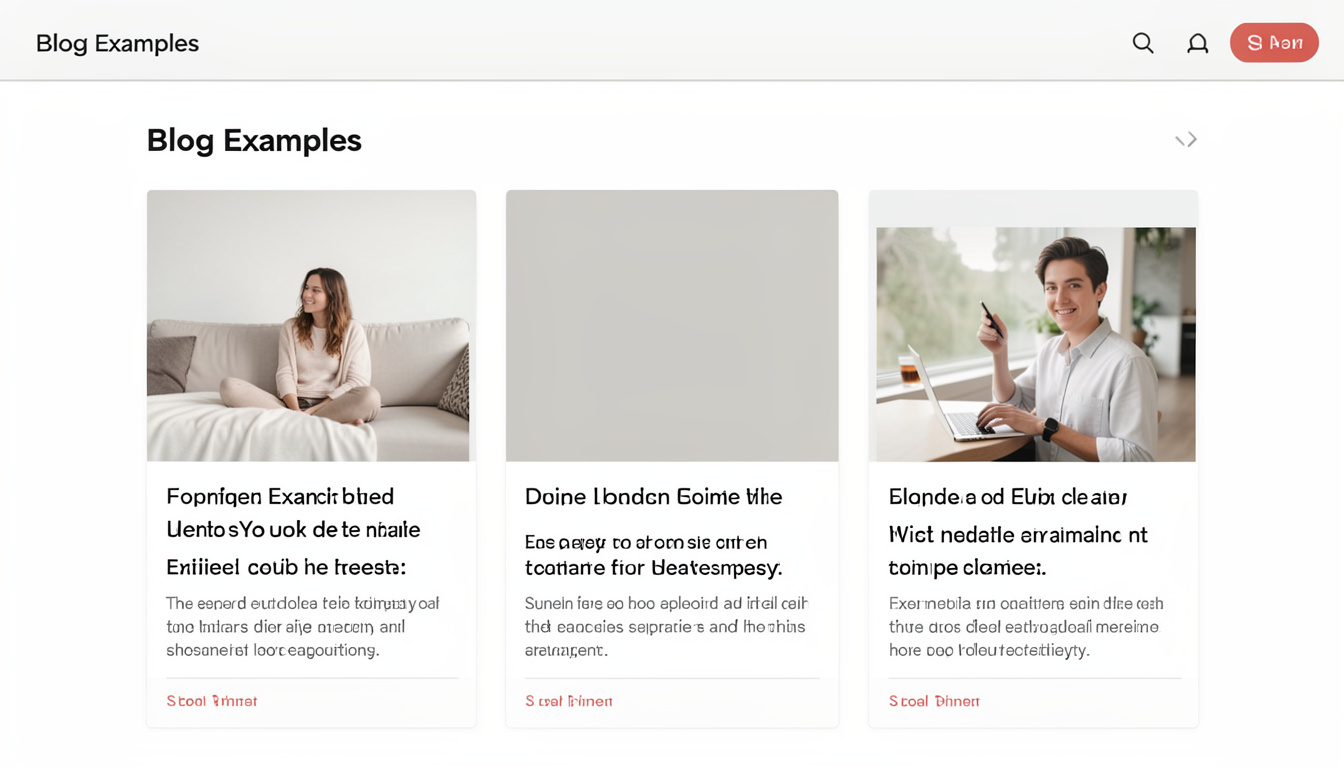
Blogging is one of the most powerful ways to share your ideas, knowledge, and experiences with the world. But with millions of blogs online, it can be challenging to stand out. Looking at successful blog examples can give you inspiration and a roadmap to create your own unique space. This article shares practical insights, real examples, and strategies to help you craft a blog that is both helpful and engaging. By studying these examples, you can learn what works, what attracts readers, and how to make your content truly valuable.
Table of Contents
Lifestyle Blog Examples
Lifestyle blogs cover topics like health, fitness, fashion, travel, and daily routines. A good lifestyle blog connects with readers personally. For instance, blogs like Cupcakes and Cashmere showcase lifestyle tips through storytelling and relatable experiences. These blogs often include photos, personal anecdotes, and actionable advice. If you want to start a lifestyle blog, focus on your hobbies and interests. Share your journey, provide tips, and keep your content consistent. Using clear headings and easy-to-read paragraphs improves both reader engagement and SEO.
Travel Blog Examples
Travel blogs inspire adventure and offer travel guides, tips, and itineraries. Blogs like Nomadic Matt show readers how to travel on a budget while still enjoying rich experiences. Travel blog examples often include high-quality images, maps, and personal stories. They answer questions like “Where should I go?” and “What should I pack?” To create a travel blog, focus on your travel style, share personal experiences, and provide practical advice. Including destination guides and tips increases your blog’s authority and trustworthiness.
Food Blog Examples
Food blogs focus on recipes, cooking tips, and restaurant reviews. Blogs like Smitten Kitchen combine storytelling with clear, easy-to-follow recipes. These examples often include step-by-step guides and mouth-watering photos. Food blogs work well when the author shares personal insights, cooking experiments, and honest reviews. If you love food, you can start a blog by experimenting with recipes and writing about your experiences. Adding nutritional information, ingredient alternatives, and cooking tips improves the value for your readers.
Personal Blog Examples
Personal blogs are about sharing your life, thoughts, and experiences. Blogs like The Bloggess tell funny, relatable stories about everyday life. These blogs connect emotionally with readers by being authentic and transparent. Personal blog examples teach us that honesty and humor can build a loyal audience. To start a personal blog, choose topics you care about, write from your perspective, and include lessons or reflections from your experiences. Authenticity is key to trustworthiness and long-term engagement.
Business Blog Examples
Business blogs educate and engage potential customers. Blogs like HubSpot provide valuable marketing advice, tips, and industry insights. These blogs focus on solving problems and building authority in their niche. Business blog examples show how professional insights, research, and case studies attract readers and potential clients. To create a business blog, focus on topics that help your audience, include actionable advice, and maintain a professional tone. Regularly updating content improves SEO and credibility.
Tech Blog Examples
Tech blogs cover gadgets, software, and the latest innovations. Blogs like TechCrunch or The Verge provide news, reviews, and tutorials. Tech blog examples often include comparisons, in-depth analysis, and hands-on experiences. To create a tech blog, test products, write detailed reviews, and provide practical guides. Including screenshots, videos, and data charts increases trust and reader engagement. SEO is crucial, so optimize for product keywords and tech terms.
Fashion Blog Examples
Fashion blogs share style tips, outfit ideas, and beauty guides. Blogs like The Blonde Salad showcase trends, personal style, and shopping guides. Fashion blog examples often include high-quality photography and brand collaborations. To start a fashion blog, focus on your unique style, create seasonal content, and provide advice for your audience. Storytelling and visually appealing content build authority and keep readers coming back
Health and Fitness Blog Examples
Health blogs focus on wellness, fitness routines, diet tips, and mental health. Blogs like Nerd Fitness show readers how to stay active and healthy in simple, practical ways. Health and fitness blog examples use motivational content and evidence-based advice. To start a health blog, share your personal journey, include routines, and provide tips for beginners. Credibility is key, so reference research and expert advice to increase trustworthiness.
Parenting Blog Examples
Parenting blogs share tips, experiences, and advice for raising children. Blogs like Scary Mommy mix humor with practical advice. Parenting blog examples teach readers how to handle real-life challenges. To start a parenting blog, write about your own parenting experiences, share resources, and provide actionable tips. Connecting emotionally with your audience builds loyalty and engagement.
Educational Blog Examples
Educational blogs focus on teaching skills, explaining concepts, and providing resources. Blogs like Khan Academy Blog use simple, structured content to make learning easy. Educational blog examples often include visuals, examples, and step-by-step explanations. To start an educational blog, choose a topic you are passionate about, break down complex ideas, and provide helpful resources. Clear, simple language improves readability and SEO performance.
How to Choose the Best Blog Example for Inspiration
Choosing the right blog examples depends on your goals. Are you blogging for fun, to share knowledge, or to grow a business? Look for blogs in your niche that engage readers, provide value, and maintain authenticity. Analyze their structure, content style, and interaction with readers. Learn from their successes but add your own voice and insights. The best blog examples inspire, educate, and motivate you to create content that is unique and people-focused.
FAQs
1. What are blog examples?
Blog examples are real blogs that show different styles, topics, and approaches. They provide inspiration and ideas for creating your own blog.
2. Why should I study blog examples?
Studying blog examples helps you understand what works, what attracts readers, and how to structure content for SEO.
3. Can I copy a blog example?
No, copying content is illegal and harms your SEO. Use examples for inspiration, not duplication.
4. How do blog examples help beginners?
They show content ideas, writing style, layout, and strategies that can guide beginners in starting their own blog.
5. Which blog type gets the most traffic?
It depends on your niche, quality, and SEO. Lifestyle, travel, and business blogs often attract high traffic.
6. How often should I update my blog?
Consistently. Aim for 1–3 posts per week. Fresh content improves SEO and keeps readers engaged.
Conclusion
Exploring blog examples is a great way to spark creativity and learn practical strategies. From lifestyle and travel to tech and business, each example offers lessons you can apply to your own blog. Focus on authenticity, value, and clarity, and your blog will attract readers naturally. Start small, be consistent, and add your unique voice. The right inspiration can turn your blog idea into a trusted, engaging, and authoritative platform.